Build to operate
Support the transition from planning and construction into an operational network record.
Not every fiber deployment is built, owned, accepted, and operated in the same way.\n\nSome networks move from design into construction and then into steady-state operations. Others involve municipalities, infrastructure owners, service providers, external contractors, or phased acceptance. Weezie helps structure the network information and supporting records needed for those handovers.
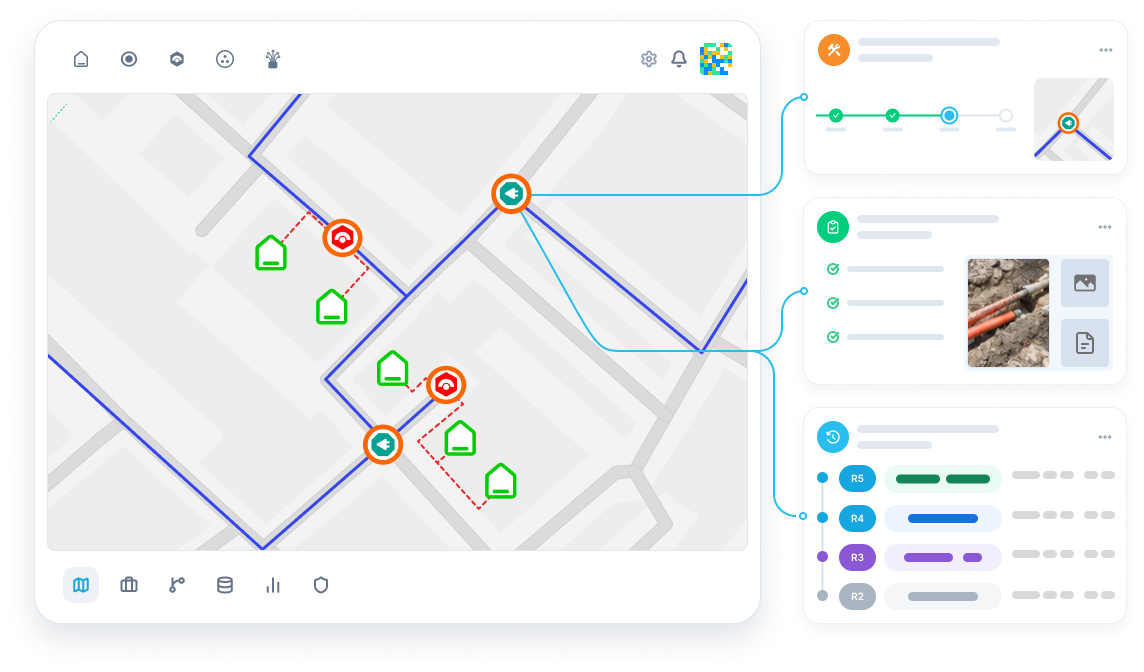
A useful handover process begins with the operating model behind the network. The information needed for a municipal acceptance process is not always the same as the information needed by a private operator, a wholesale infrastructure owner, or a service provider taking over day-to-day operations.
Support the transition from planning and construction into an operational network record.
Organize information used to review delivered scope, supporting evidence, and accepted assets.
Work with a shared operational context even when delivery, ownership, and services are split.
Examples on this page are illustrative and show common handover scenarios across fiber projects.
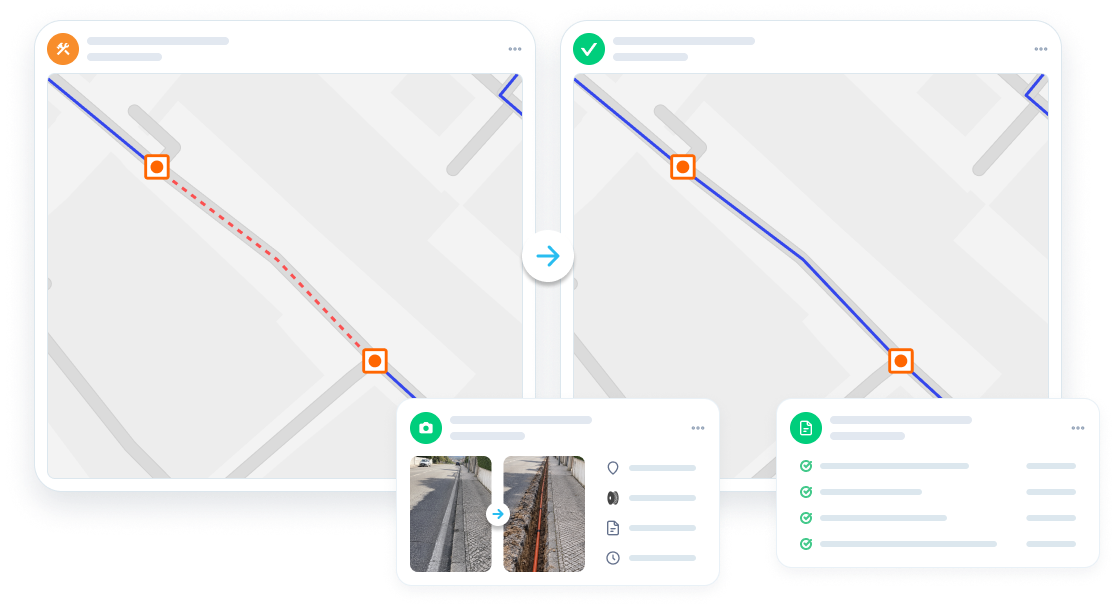
Construction rarely ends exactly as originally planned. Routes can shift, assets can be adjusted, and field conditions can lead to approved changes. What matters after delivery is having a clear installed view of the network and the supporting information that explains how it reached that state.
What teams may need
How Weezie can support this
Why this matters
Operations teams need more than a final drawing. They need a usable, connected record of the network that reflects the installed reality.
In public or co-funded projects, handover may involve formal acceptance, documentary evidence, traceability, and a clear understanding of the assets delivered as part of the scope. The handover package can matter not only for operations, but also for accountability, ownership, and future maintenance.
How Weezie can support this
Typical review questions
Which routes were delivered, what changed from the original scope, what evidence exists, and which assets are now part of the maintained network?
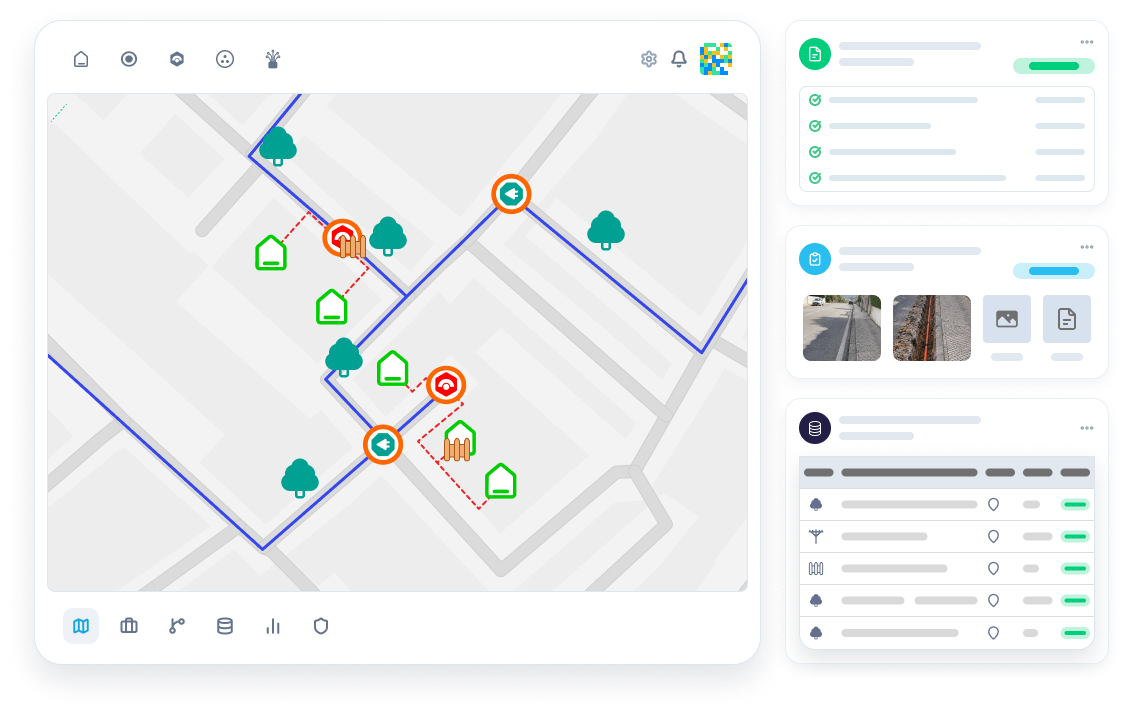
Field delivery produces more than physical assets. It also produces records that explain what was built, tested, adjusted, and completed. When these records are fragmented across files, people, and systems, closeout becomes harder to review and harder to carry forward into operations.
What teams may need
How Weezie can support this
Closeout focus
The goal is not only to finish the work, but to return a network record that can be understood, reviewed, and operated.
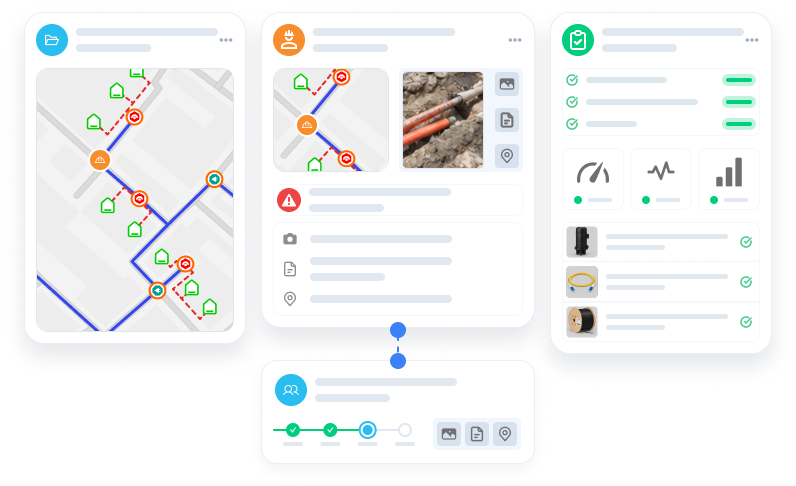
Many fiber environments involve multiple parties. One organization may own the infrastructure, another may operate the network, and others may participate in delivery, maintenance, or service provision. That does not mean every party should work in the same way. It does mean they often need a shared understanding of the network and the records that matter to them.
How Weezie fits
A practical objective
Keep the network context shared where needed, while allowing responsibilities and processes to remain appropriately separated.
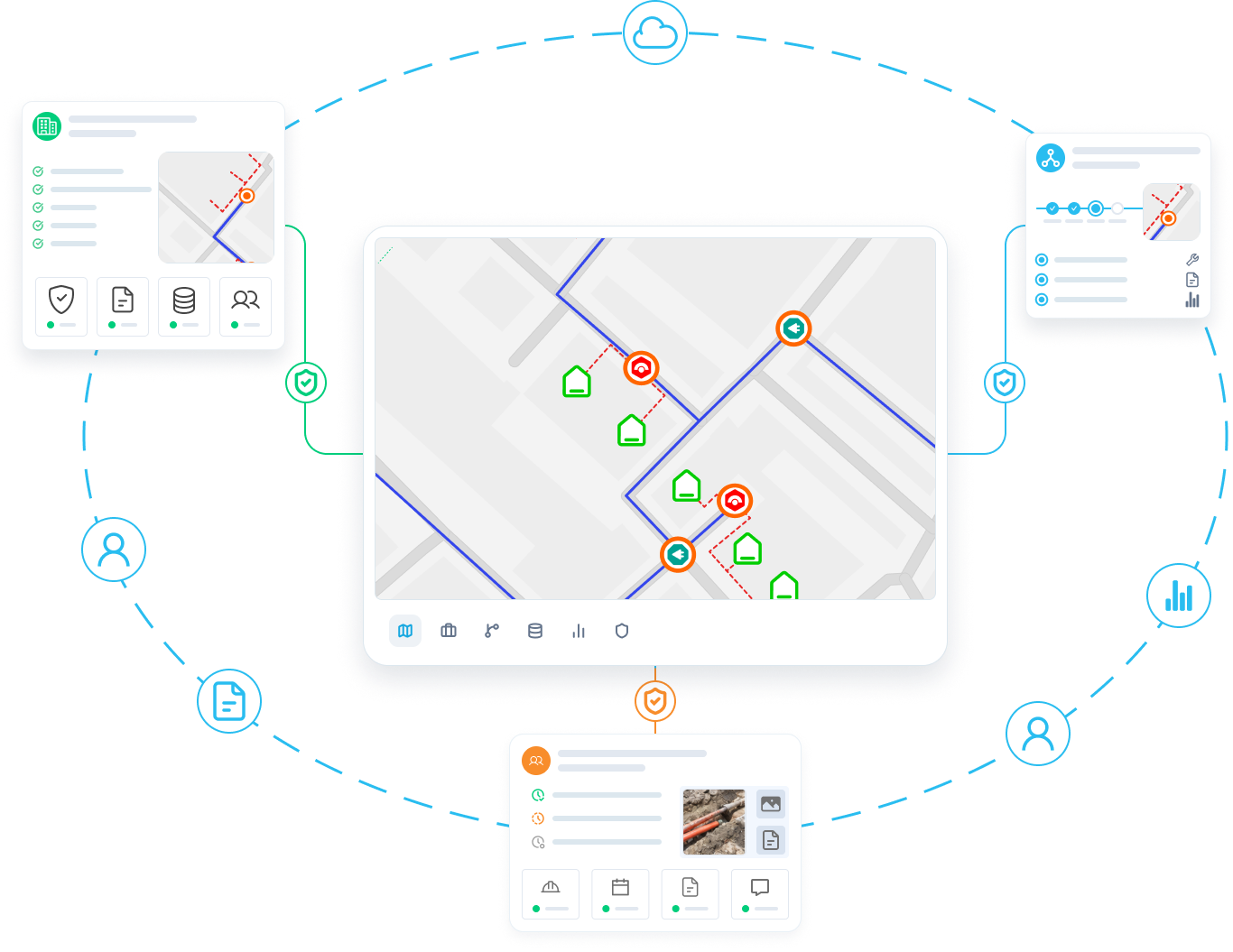
Carry construction evidence and accepted network records into maintenance, service, and future changes.
Capture the network context and supporting records generated during delivery.
Maintain a clearer view of what was ultimately built and accepted.
Carry relevant information forward into maintenance, service, and future change.
Show us how your fiber network is delivered, accepted, owned, and operated. We can review your model and explore how Weezie may support the handover information, asset context, and operational continuity your teams need.