Spatial context
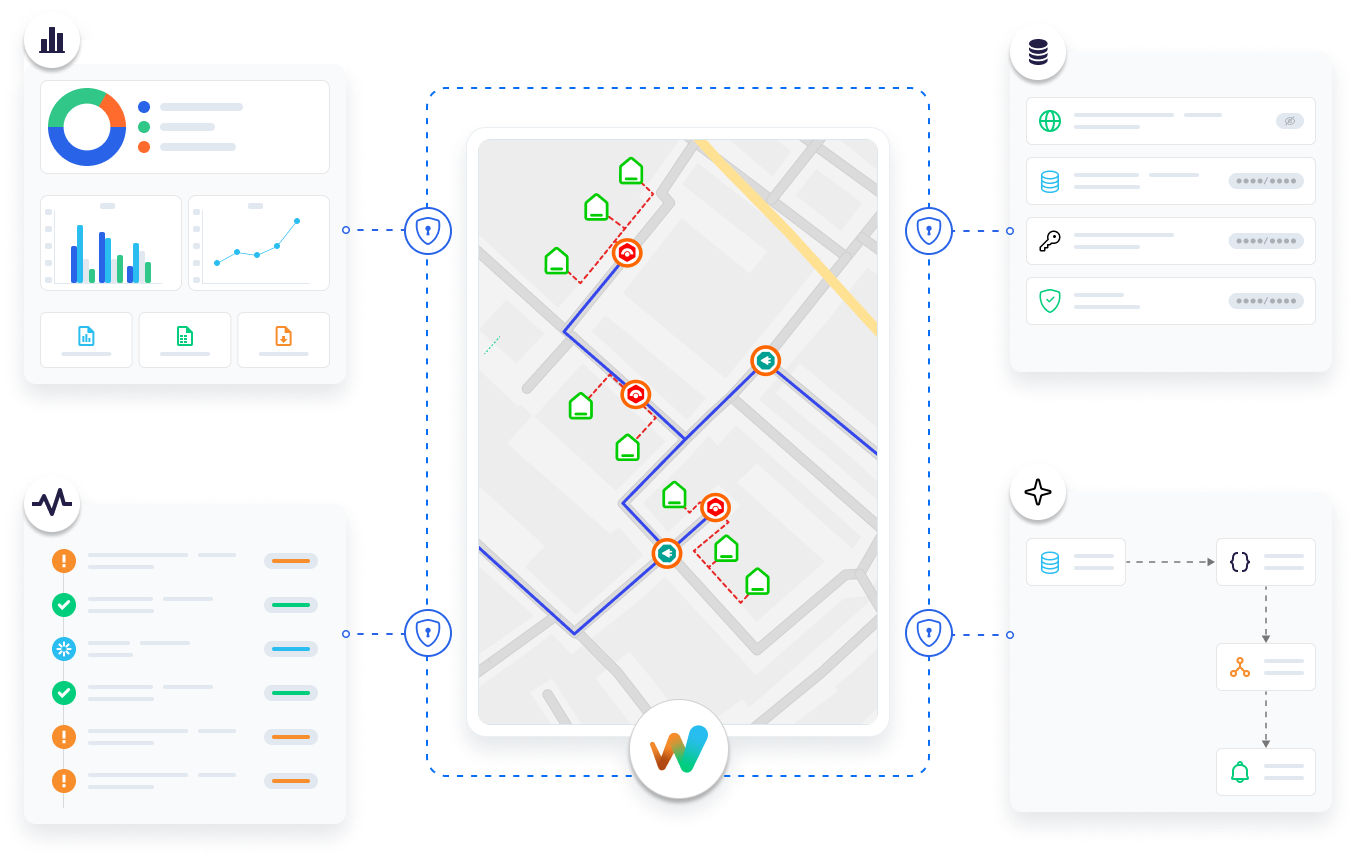
Geometry, routes, sites, assets, service areas, land context, and field evidence remain attached to the objects they describe.

Connect network data and operational work across survey, design, construction, field validation, physical inventory, splicing, maintenance, and reporting.
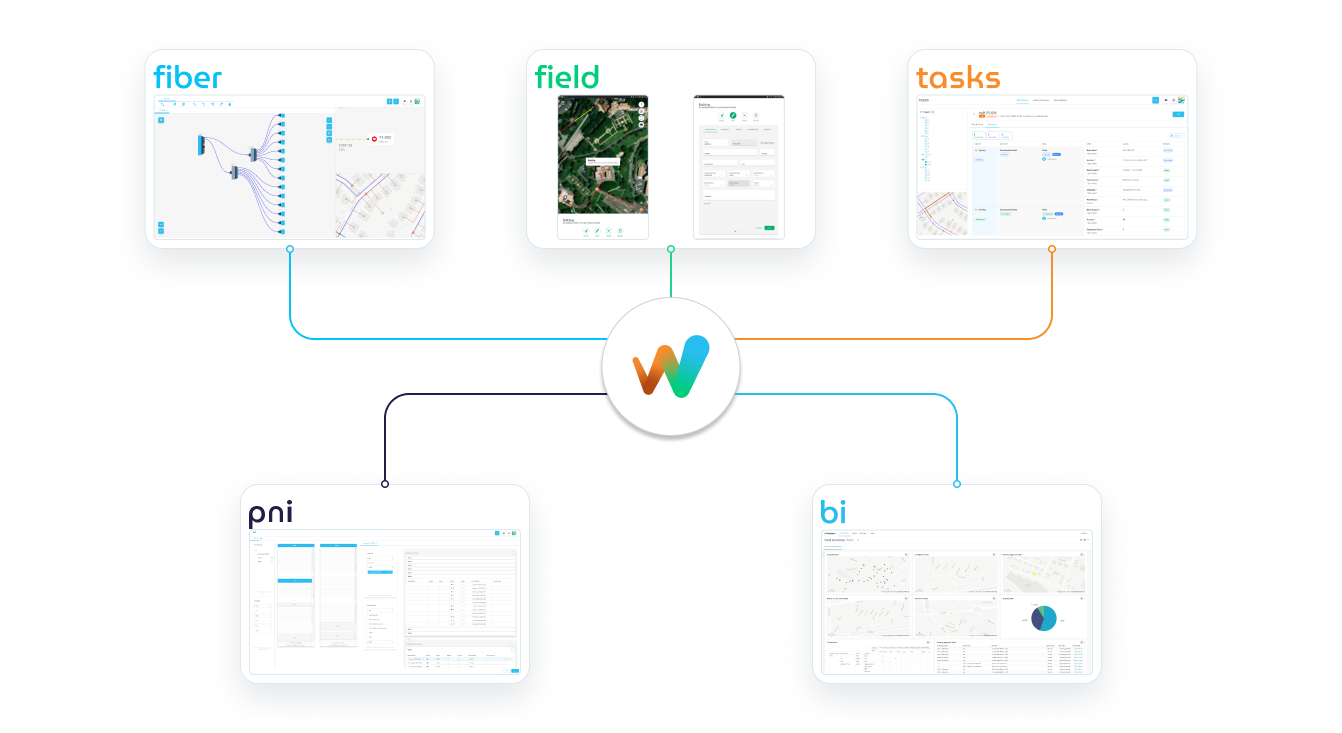
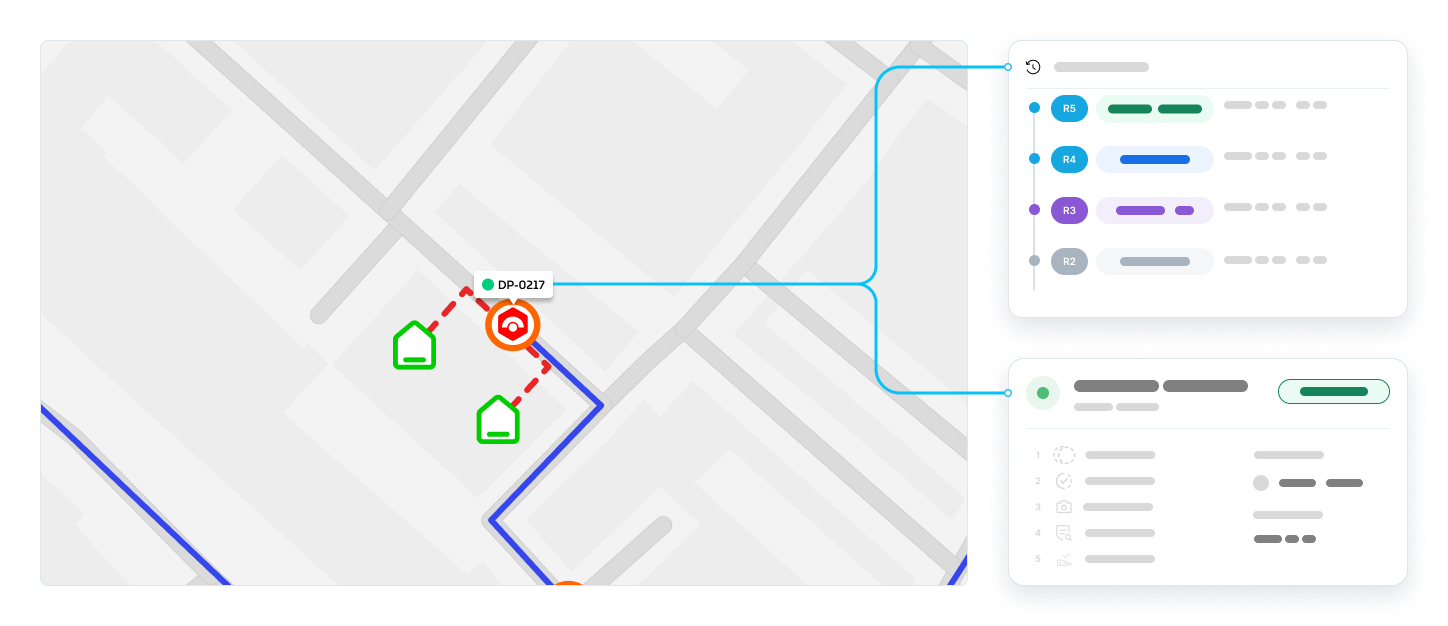
Keep route geometry, fiber connections, assigned work, captured evidence, owners, and change history on the related objects.
Geometry, routes, sites, assets, service areas, land context, and field evidence remain attached to the objects they describe.
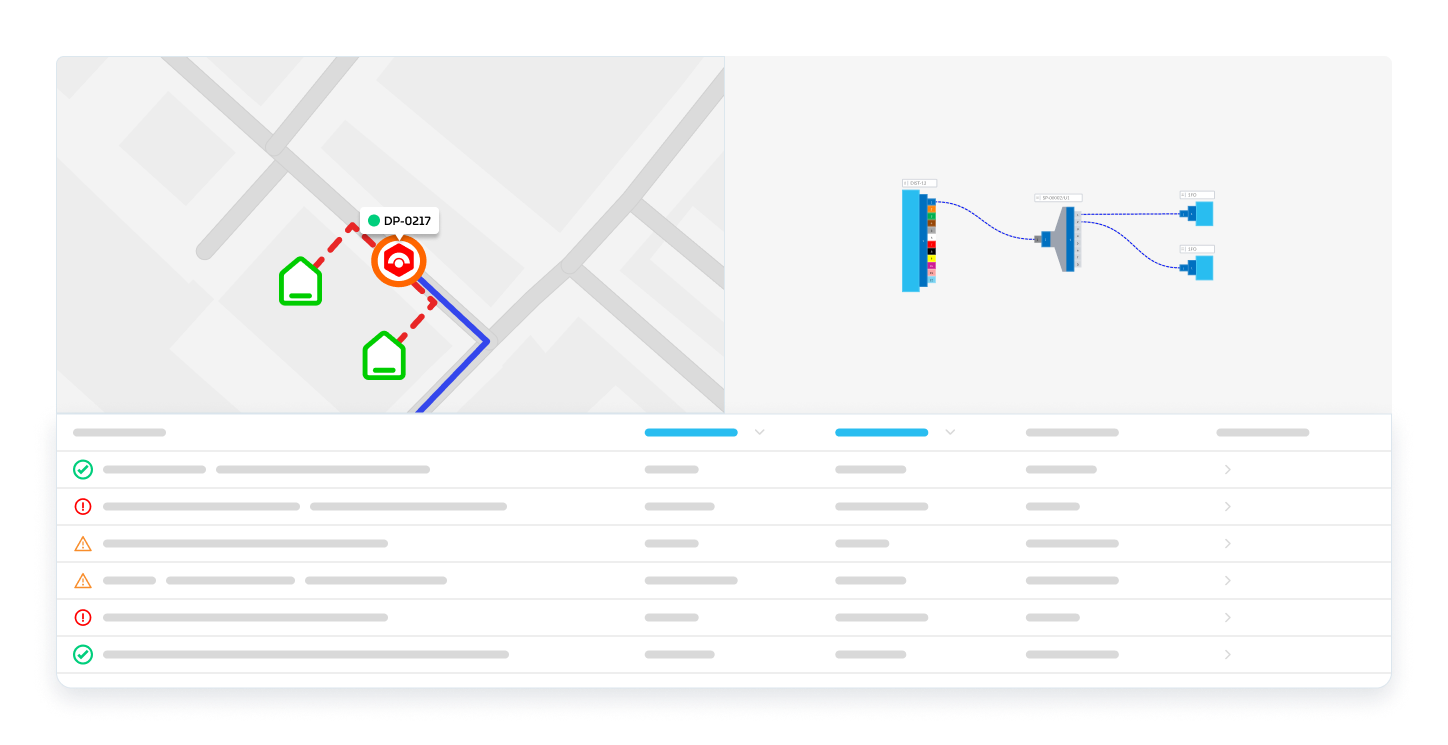
Fiber, cable, ports, splices, ducts, paths, topology, capacity, and dependencies can be traced across the physical network.
Design versions, work, changes, approvals, evidence, inspections, incidents, and maintenance preserve a usable timeline.
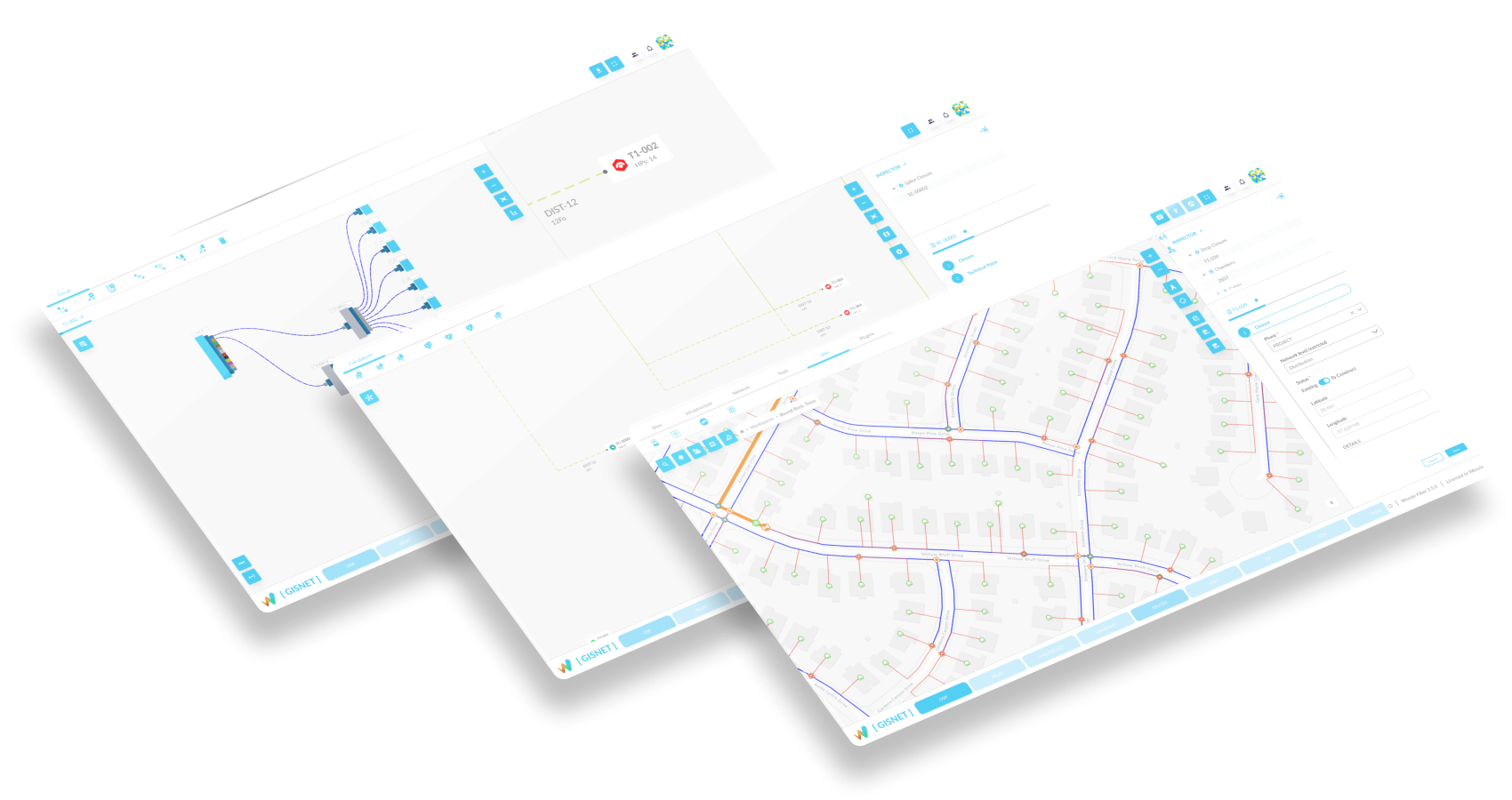
Build accurate network designs with engineering rules visible at every step, then preserve the decisions used to approve and hand over the work.
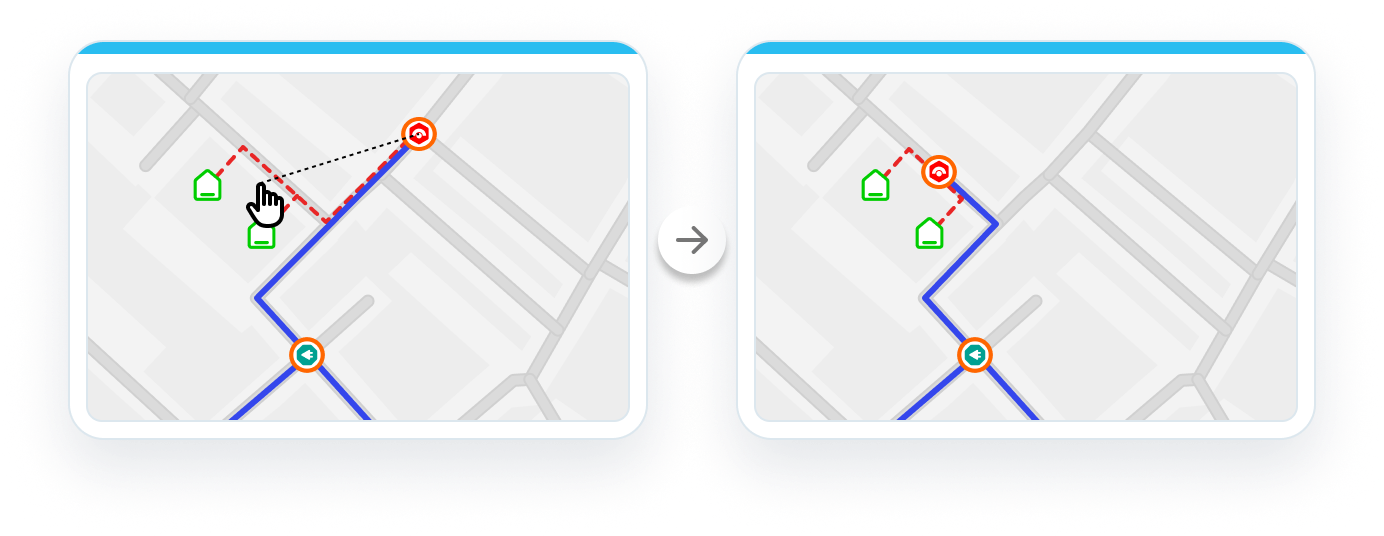
Make changes in the context of network relationships, not as isolated map geometry. Expose the downstream effect of assets, paths, and connectivity.
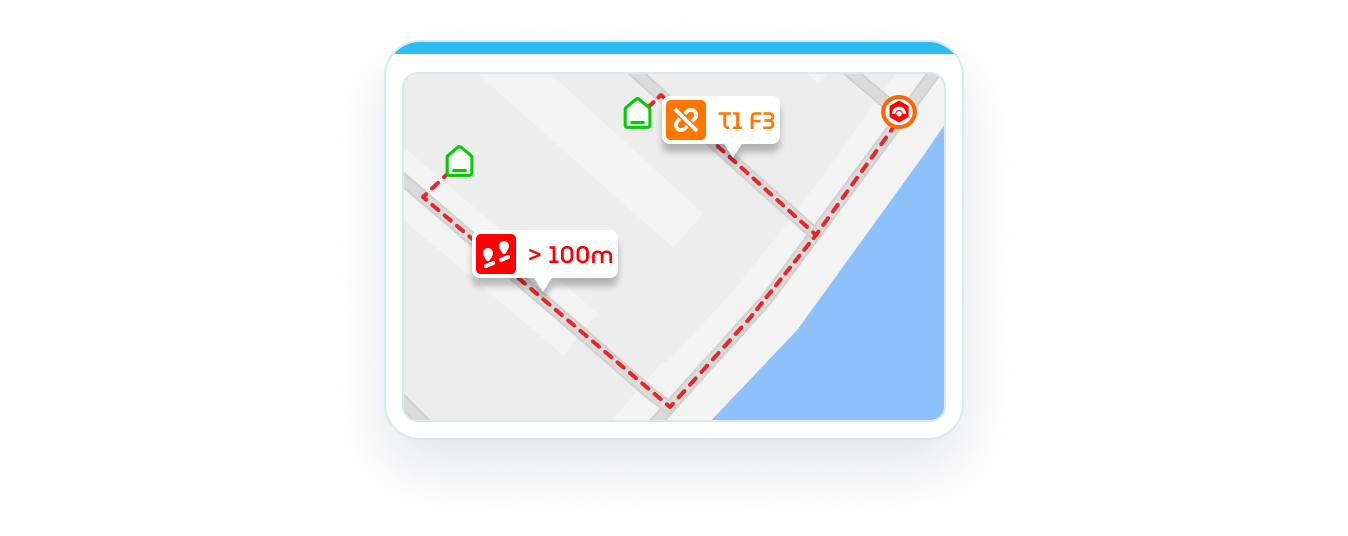
Apply visible checks for design standards, capacity, spacing, route constraints, materials, naming, completeness, and required evidence.
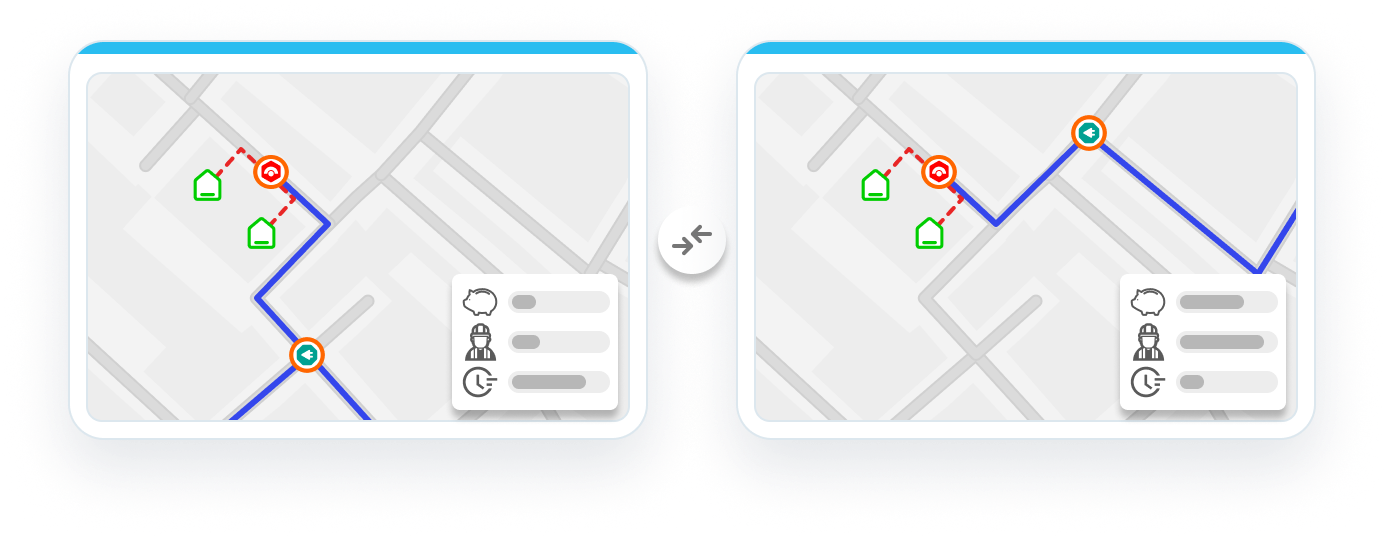
Compare route, architecture, quantity, cost, and operational trade-offs without losing the assumptions behind each option.
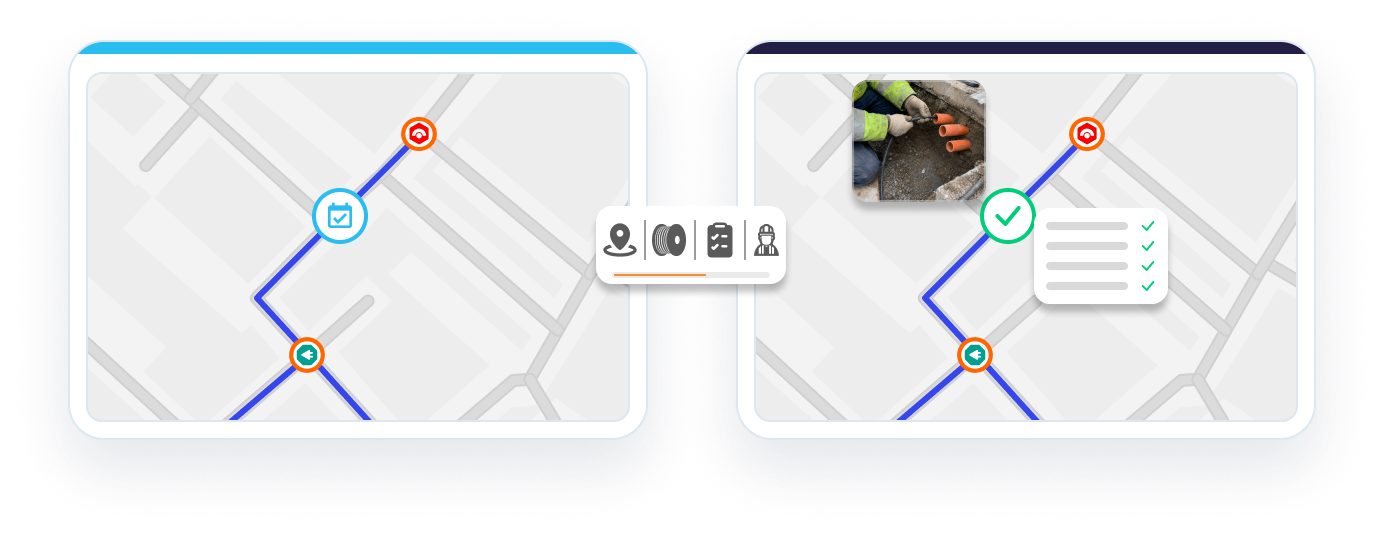
Convert approved design into controlled field scope with the map context, assets, materials, instructions, checks, and evidence crews need.
Keep interactions reachable, information visible, and critical work available when connectivity, lighting, weather, gloves, or time make generic mobile interfaces fail.
Prioritize the next action, essential context, and large touch targets.
Queue edits, evidence, forms, and media safely until synchronization is possible.
Avoid forcing crews to jump between disconnected maps, lists, and files.
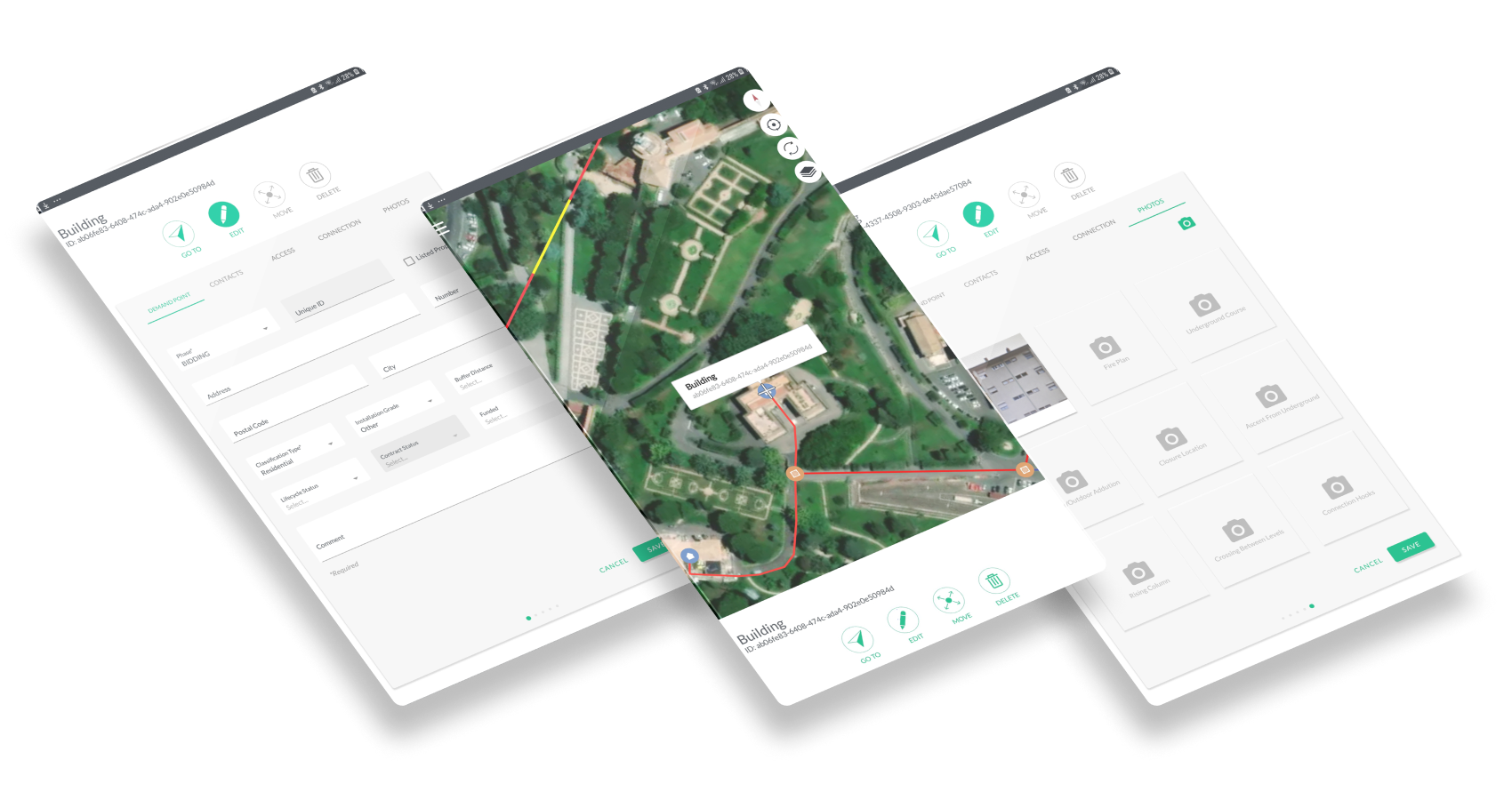
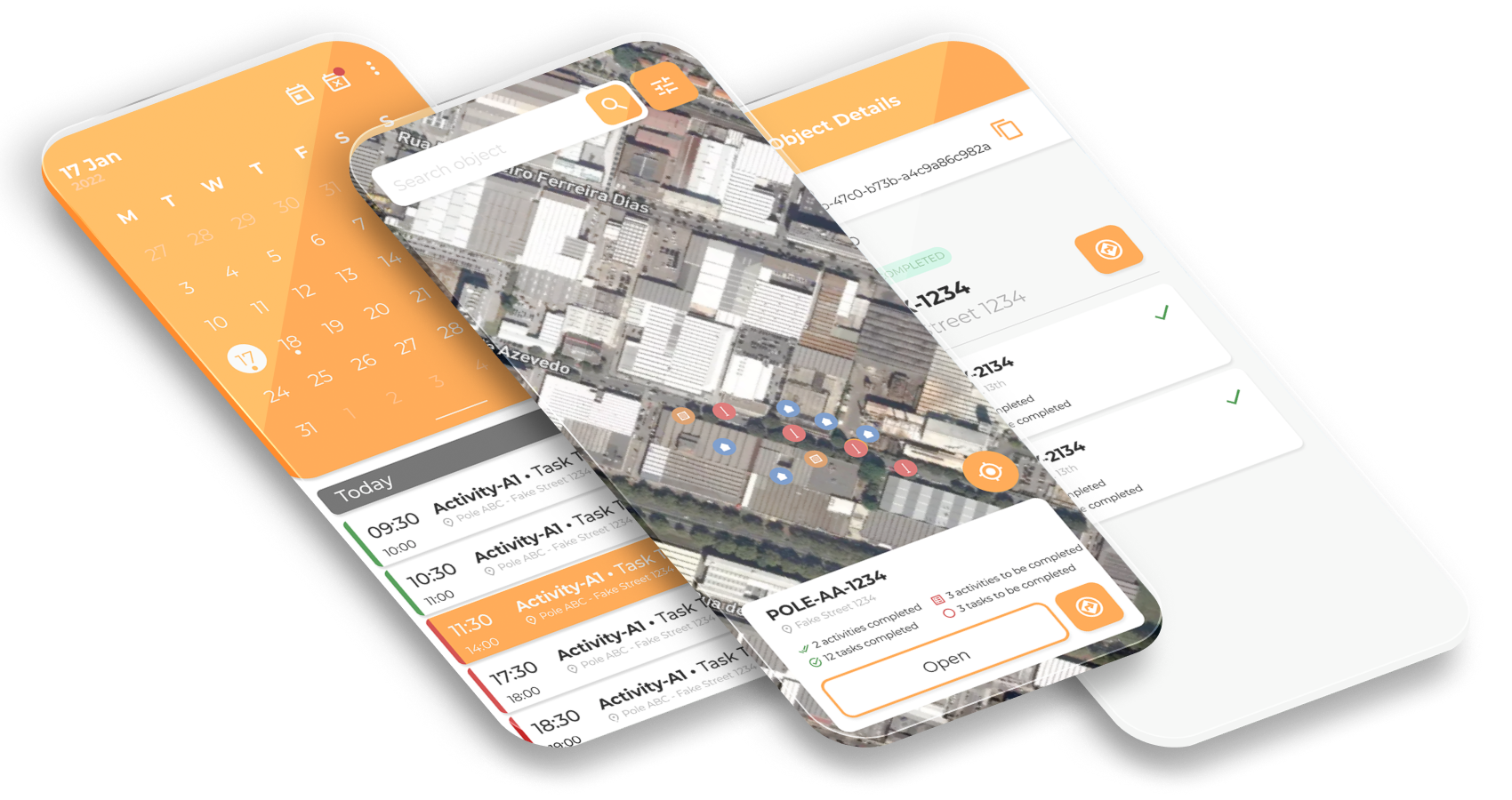
Put the map, assets, work package, forms, safety information, materials, splice plan, tests, and acceptance rules into one field-ready workflow.
Work is anchored to the objects and location it affects.
Forms, photos, measurements, and deviations remain traceable.
Continue working through weak or intermittent connectivity.
Validate completeness before a submission leaves the field.
Understand what is planned, installed, connected, available, reserved, consumed, changed, or retired across the network lifecycle.
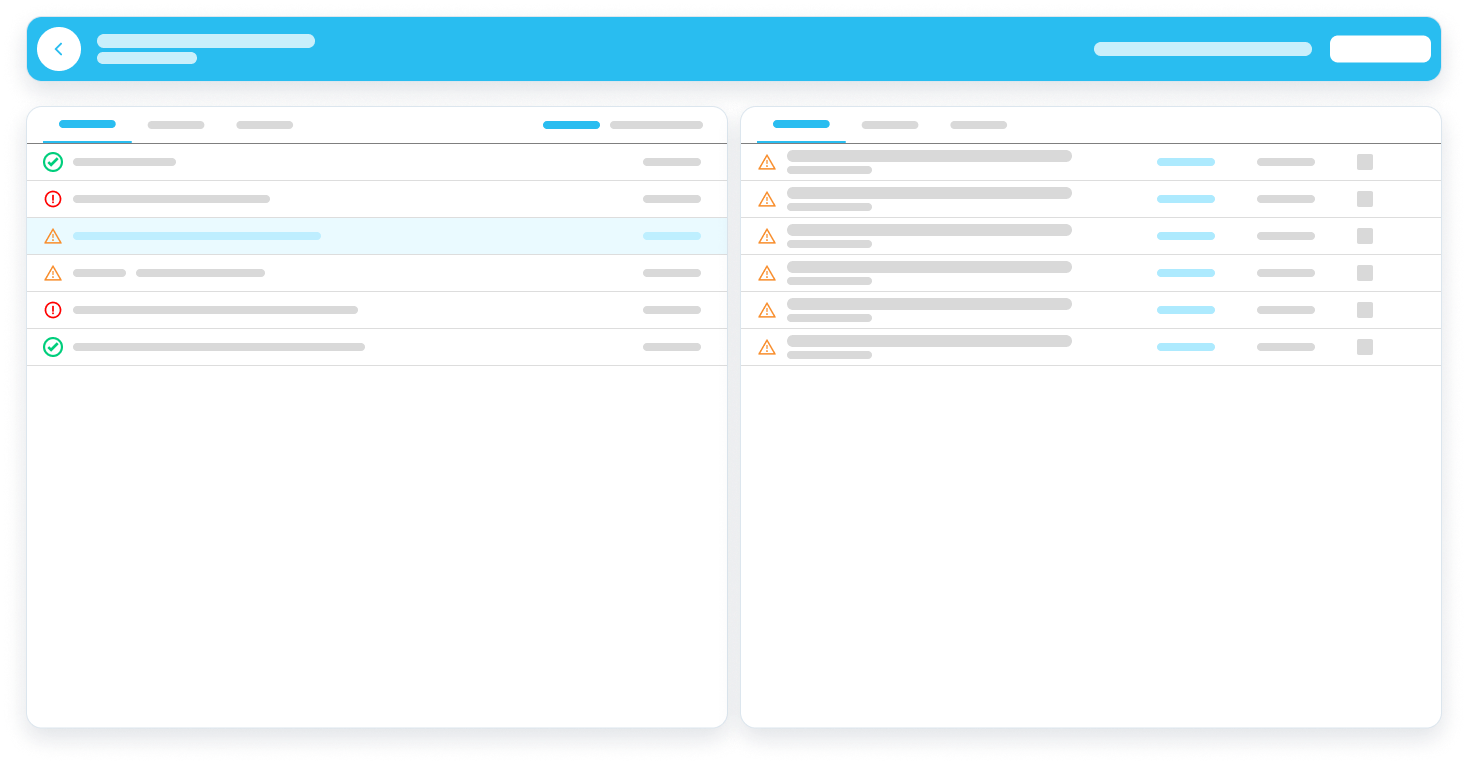
Use automation where rules, evidence, thresholds, ownership, and review can remain clear.
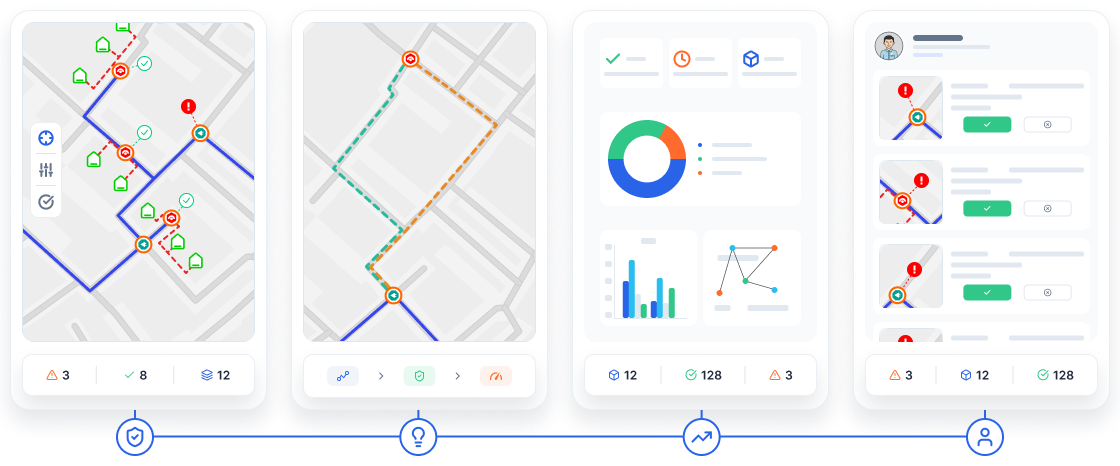
Expose the right data, actions, and events at clear boundaries while protecting production performance and operational permissions.
Dashboards, reporting models, exports, and governed warehouse feeds.
Controlled access to network, asset, task, and evidence resources.
React to changes without repeatedly polling full datasets.
Add customer-specific workflow without forking the operational model.
Review the APIs, events, identity, deployment, permissions, evidence retention, and audit controls that govern the platform.
Weezie sits alongside the systems already running the network rather than replacing them, with the boundaries written down.
Deployment model, access control, evidence retention, and audit posture, in the detail a security review actually asks for.
Bring a real network workflow, data challenge, or system boundary for a focused technical walkthrough.